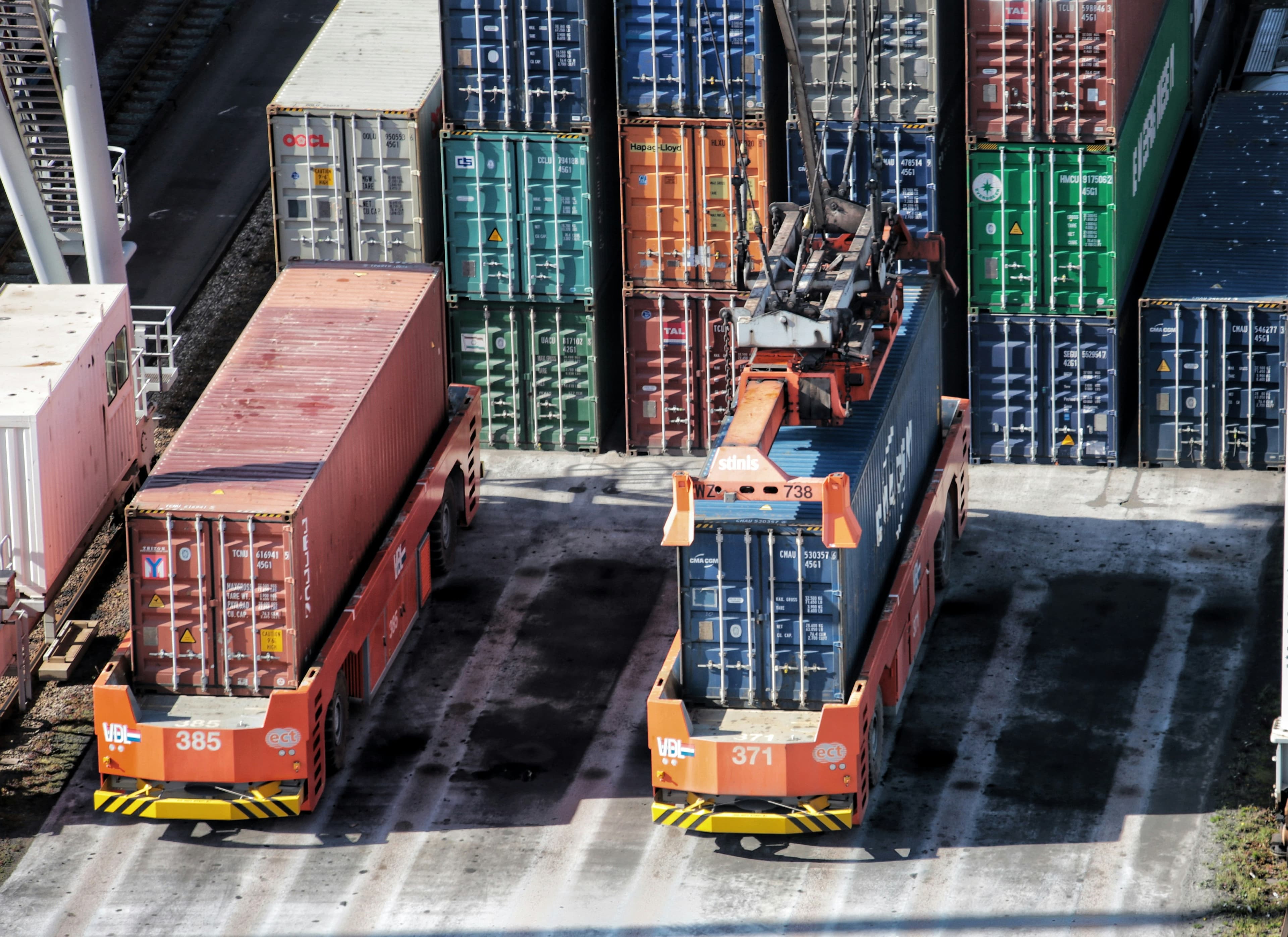
Logistics runs on a vast number of small, repetitive tasks carried out under time pressure, often across organisations that do not share systems. It is exactly the environment where automation should thrive, and in places it genuinely does. It is also an environment where automation is oversold, applied to the wrong steps, and quietly abandoned when reality proves messier than the pitch.
The useful question is not whether logistics can be automated. It is where automation actually moves the needle, and where it merely adds a layer of software over a problem that needed a different fix. The honest answer varies by function, and it rewards being specific.
Where automation earns its place
Across carriers, the wins come from the dull, high-volume work of matching, tracking and updating. Reconciling bookings against shipments, chasing status updates, flagging exceptions and keeping records aligned across parties is repetitive, rules-based and unforgiving of human error at scale. Automating it removes cost and, more importantly, catches problems earlier, when they are still cheap to fix.
Customs is where automation has to be handled with care, because the cost of a wrong entry is not just delay but penalty. Here the value is in classification support, document checks and validation before submission, with clear points where a human stays accountable. Customer service sits between the two: automation is genuinely useful for answering where-is-my-shipment questions and surfacing information quickly, and genuinely damaging when it is used to wall customers off from a person when something has actually gone wrong.
Automation earns its place in logistics by removing the repetitive work, not by hiding the exceptions that still need judgement.
The pattern across all three is the same. Automation pays where the work is high in volume, clear in rules and expensive in error, and it disappoints where the real difficulty is judgement, exception handling or a relationship. Knowing the difference is what separates a programme that reduces cost from one that simply relocates it.
For most operators, the biggest returns are not in the visible, futuristic ideas but in the unglamorous middle of the operation, where thousands of small tasks quietly consume time and introduce error every day. That is where automation moves the needle, and it is where the sensible money goes first.